

Memmingen: Hitler’s 1928 Rally, Kristallnacht, and US Liberation of Stalag VII B amidst the Bomb‑Shattered Old Town
.gif)
.gif)

.gif)
Hitler
came to Memmingen to speak at a Nazi Party meeting on January 18, 1928.
His speech, "Die deutsche Not und unser Weg" (The German Distress and
Our Way) was held at the Schiffsaal from from 20.00 to 22.30. The public
meeting, which according to the local paper, the Memminger Volksblatt,
was attended by about 1,200 people, was led by the local group leader
Wilhelm Schwarz. The Nazis took 35% of the vote in Memmingen in the
July 1932 national election which was slightly above the national
average. After the Nazis seized power in 1933, the city was run by the
Nazis under the mayor Heinrich Berndl who would hold this position until
the invasion and occupation of the town by the Americans. The Americans
dismissed him in May 1945 but would be re-elected mayor "as a candidate of the CSU and the Free Voters" in 1952.
Today there's a Dr.-Berndl-Strasse in the town. Hitler was awarded
honorary citizenship of the city (as in almost all German cities) and
the Weinmarkt was now renamed Adolf Hitler Platz. A Youth Day was held
throughout Bavaria on May 7 that year when all of Memmingen's schools
took part in planting an Hindenburg and an Hitler oak in front of the
festival hall in the Volkspark 17.00.
.gif)
Hitler
Youth paying on the ruins of the former synagogue, destroyed during
Kristallnacht. When the Nazis took power, there were 161 Jews in the
town. Immediately their lives suffered as the Nazis imposed an economic
boycott with the newspaper "Allgäuer Beobachter" listing all Jewish businesses by name and urged the population not to enter them. As Kershaw (121) writes in Popular opinion and Political Dissent in the Third Reich
Fears of inflation and war together with general uncertainty about the future, widely reported in 1934 and increasing during the preparations for the Saar plebiscite in January 1935, also sharply affected the mood of the commercial middle class. In addition, the continued thriving of Jewish department stores and ‘single-price shops’ (Einhettspreisgeschafte) remained a thorn in the flesh for small shopkeepers. In Memmingen tradesmen were saying bitterly that ‘such department stores would probably only be closed when the small business men have been robbed of their existence.’
By
1936 Jewish cattle dealers were no longer allowed to enter the town
slaughterhouse. By 1940 there were only about forty Jews left, 37 having
emigrated or moving to other communities. The economic boycott was
carried out particularly vigorously by the city's population. As a
result, the Jewish community members had to sell their houses and other
possessions very quickly. In the summer of 1939, the last community
members (about 60) had to live in five houses, and in 1941 the 40 people still alive had to move into a house
with two apartments. In the spring of 1942, 25 Jews from Memmingen were
brought to Fellheim, from there deported and killed in the
concentration camps in the east of the Reich.

.gif)
.gif)
In these fields of rubble, one finds it "quite OK" that there is no order at all here. That sheet music, cactus, dented cake tins, Curtius's Greek History, hats, corpses, scraps of metal and wire lie peacefully together next to toilet bowls. The style of destruction also includes the gas stoves and bathtubs hanging high up in rooms, the scraps of clothing on the splintered trees.
.gif)
.gif)
.gif)
.gif)
Looking
down Hintere Salzgasse on the left. The building on the right, the
Salzstadel, was rebuilt between 1470 and 1474 for the salt delivered
from Bad Reichenhall. An example of the importance of the building is
shown by the fact that in 1468 citizens took their oath before the
council inside.
The
end of the building is shown here below from a photograph taken by a
former American prisoner of the Stalag, Ray Sherman, soon after his
liberation from Stalag VII B on April 26, 1945, with the caption: "Two
Ex POWs after a shopping round which [sic] the aquired [sic] new head
gear."
On its information board the following cynical directive from the Memmingen Nazi district leadership published in the Allgäuer Beobachter a month earlier on March 23, 1945 is quoted:
.gif)
Leave the first flowers standing! The sunny days after the long winter have caused the first flowers to sprout from the ground: the white of the snow is replaced by the friendlier white of the snowdrops. It is only too understandable that the children pounce on these first spring flowers because they believe that everyone has the right to take as much of nature's gifts as possible. But that is not the case. All people should have an equal share in what nature produces, and especially now, when so many of us have lost our possessions, untouched nature is the greatest consolation and the best relaxation. Those who love nature protect it. Those who do not protect it are committing a crime against the national community.
.gif)
On
April 26, 1945, the city was peacefully handed over to the Americans.
15% of the living space was destroyed. The housing shortage was
exacerbated by refugees streaming into the city; mass accommodation was
set up. Of the town's total population of 25,343, 6,691 displaced
persons were living in Memmingen in 1950. By 1968 the population had
risen to almost 35,000.
.gif)
.gif)
.gif)
He
had originally been assigned to Company "L" of the 302nd Regiment, 94th
Infantry Division. He was taken captive on February 16, 1944 after the
Anzio landings and arrived in Memmingen on June 16.
Arrived at Stalag VIIB, Memmingen. Registered, had my picture taken, and was issued prisoner # 12048. Received a British parcel. Got nothing on the four hour train ride in boxcars again. The country is nice but cool. I slept in a large tent on wood shavings. We carry all of our possessions with us wherever we can.The location of the photo on the left was literally pointed out to me by one of the ladies at the tourist office from the window, the wall being directly across and the cars parked in front of the town hall.
.gif)
We were in the haymow, when at 5:30 PM we heard motorized vehicles. We heard the lady shout, "Americanishe Panzer!" We peeked out and saw some thirteen vehicles going on the road. They were not familiar to us, but we went out to greet the Fourth Armor Division. The first thing I asked for was a pair of socks and a K-ration. We were taken to Horgau to Division Headquarters.
By
April 1945, the Anglo-American forces had already crossed the Rhine
River and were rapidly advancing eastward. The American Seventh Army,
under the command of General Alexander Patch, was tasked with clearing
the area south of the Danube River, which included Memmingen. The 45th
Infantry Division, led by Major General Robert T. Frederick, was ordered
to capture the town. The division consisted of three infantry
regiments: the 157th, 179th, and 180th. The 157th Infantry Regiment,
commanded by Colonel Charles W. Yuill, was responsible for the assault
on Memmingen. The
invasion itself was led by elements of the 12th Armoured
Division, known as the "Hellcats," a unit of the American Seventh Army.
The division, commanded by Major General Roderick R. Allen, had been
advancing through Bavaria, taking towns and cities as the Allies closed
in on Germany's southern regions. The 12th Armoured Division had
previously faced heavy fighting, but by the time they reached Memmingen,
German resistance had significantly weakened. As mentioned, upon
entering Memmingen, the American forces encountered little to no
organised resistance. The swift occupation was a result of the crumbling
German military infrastructure and the rapid retreat or surrender of
remaining Wehrmacht units. The Americans quickly established control
over the town, taking over key infrastructure and strategic points shown
in some of Sherman's photographs.
.gif)
The Americans making their way down Weinmarkt. Following the occupation, the
Americans established a provisional administration to manage the
town and maintain order. It was responsible for disarming any remaining
German military personnel, arresting Nazi officials, and securing key
infrastructure. The occupying forces also undertook efforts to provide
humanitarian aid to the civilian population, addressing shortages of
food and medical supplies that had arisen due to the war.
Stalag VII B
at liberation held approximately 30,000 Allied PoWs, primarily from the
United States, United Kingdom, Dominion of Canada, and the Soviet
Union. The camp was under the command of Oberst Ludwig Schmahl who, upon
learning of the American advance, ordered the camp's evacuation on
April 26, 1945. Around 18,000 prisoners were forced to march westward
whilst the remaining prisoners were left behind in the camp with
inadequate food, water, and medical supplies. When the 157th Infantry
Regiment's Company G, led by Captain Robert L. Gallagher arrived, they
found approximately 12,000 prisoners. .gif)
Nördlingen: Mediæval Walled Crater City, Nazi “Model” Heimat Fortress, and the April 1945 Air Raids
The
town of Nördlingen was unknowingly built inside a meteorite impact crater, and now all of the buildings are composed of tiny diamonds. It
wasn't until 1939 that Nördlingen again reached the population of 1618 at the outbreak of the Thirty Years' War, an historical turning point of
which was the siege of Nördlingen and the subsequent battle of
Nördlingen in 1634, in which the Swedish-Protestant forces were
decisively defeated by the imperial - Habsburg troops for the first
time. The city had to open up to the victors, but wasn't plundered by
the victorious troops after high reparation payments. However, during
and after the siege, the city lost more than half of its population to
starvation and disease. Also in the War of Spanish Succession, the city
was affected by the effects of the nearby Battles of Höchstädt.
After the war, trade shifted to the seaports - another reason why
Nördlingen lost its importance as a trading centre. Due to the forced
standstill, the medieval townscape was well preserved.
 The town hall and Zur Sonne in 1935 and standing in front today. Four days after Hitler's appointment as Chancellor, torchbearers of the SA and ϟϟ
from Nördlingen, Oettingen, Wallerstein, Wemding and other nearby
villages marched alongside a drum corps and the Nördlingen city band
through the city centre. In the Hotel Deutsches Haus Theodor Hippler was announced
the Reichsbahninspektor and Nazi Kreisleiter, proclaiming that a new
chapter of German history had begun, which will be "once overwritten:
dawn on Germany". The hotel itself was bombed on
the night of October 12-13, 1941 when the mediæval town experienced the force of modern warfare for the
first time as British airmen became aware of
a light in the town centre. The main wing of the Deutschen Haus hotel
with its dining rooms and guest rooms on the ground floor and the guest
rooms on the upper floors located on the north side of Löpsinger Straße
became the target that night. Under the rubble were four dead and four seriously injured. A second explosive bomb hit the courtyard of the
restaurant "Zum Rad" that night, damaging the roof. In the spring of
1945, a total of 33 people were killed in air raids at the end of the
war. The station and several dwellings were destroyed and the St. George
church was heavily damaged. The almost complete rest of the historic old
town remained spared.
The town hall and Zur Sonne in 1935 and standing in front today. Four days after Hitler's appointment as Chancellor, torchbearers of the SA and ϟϟ
from Nördlingen, Oettingen, Wallerstein, Wemding and other nearby
villages marched alongside a drum corps and the Nördlingen city band
through the city centre. In the Hotel Deutsches Haus Theodor Hippler was announced
the Reichsbahninspektor and Nazi Kreisleiter, proclaiming that a new
chapter of German history had begun, which will be "once overwritten:
dawn on Germany". The hotel itself was bombed on
the night of October 12-13, 1941 when the mediæval town experienced the force of modern warfare for the
first time as British airmen became aware of
a light in the town centre. The main wing of the Deutschen Haus hotel
with its dining rooms and guest rooms on the ground floor and the guest
rooms on the upper floors located on the north side of Löpsinger Straße
became the target that night. Under the rubble were four dead and four seriously injured. A second explosive bomb hit the courtyard of the
restaurant "Zum Rad" that night, damaging the roof. In the spring of
1945, a total of 33 people were killed in air raids at the end of the
war. The station and several dwellings were destroyed and the St. George
church was heavily damaged. The almost complete rest of the historic old
town remained spared..gif) The rathaus, known historically as the Stone House and cited as the oldest stone town hall in Germany, shown in Nazi-era postcards and today. Before 1933, the town was governed by a coalition of local political parties, predominantly the Centre Party and the Social Democrats. The Centre Party had held significant influence due to the town’s strong Catholic identity. The Social Democrats, representing the working class, also had a substantial presence. This political diversity meant that the initial acceptance of the Nazi Party in Nördlingen wasn't as straightforward as in other regions. The Centre Party’s resistance to the Nazis was rooted in their religious convictions and fear of losing political power, illustrated in the town council’s minutes from 1932, where Centre Party members expressed concerns about the Nazis' anti-Catholic rhetoric and their potential to disrupt local governance. However, this resistance was ultimately futile as the Nazis employed coercive tactics to dismantle opposition. On
March 9, 1933, local stormtroopers hoisted the swastika flag on the
roof of the building, replacing the republican colours of the Weimar
era. The large exterior Renaissance staircase, constructed in 1618,
became a focal point for propaganda events. The Nazi District Leader and
other party functionaries utilised the stone landing of the staircase
as a podium to address mass gatherings in the Market Square below. The imposition of Nazi governance in Nördlingen began with the Gleichschaltung process, which aimed to synchronise all aspects of German life with Nazi ideology. Through this the town’s mayor, a member of the Centre Party, was replaced by a Nazi appointee, Dr. Hans Schmidt, in April 1933. Schmidt’s appointment was part of a broader strategy to ensure Nazi control over local administration.
The rathaus, known historically as the Stone House and cited as the oldest stone town hall in Germany, shown in Nazi-era postcards and today. Before 1933, the town was governed by a coalition of local political parties, predominantly the Centre Party and the Social Democrats. The Centre Party had held significant influence due to the town’s strong Catholic identity. The Social Democrats, representing the working class, also had a substantial presence. This political diversity meant that the initial acceptance of the Nazi Party in Nördlingen wasn't as straightforward as in other regions. The Centre Party’s resistance to the Nazis was rooted in their religious convictions and fear of losing political power, illustrated in the town council’s minutes from 1932, where Centre Party members expressed concerns about the Nazis' anti-Catholic rhetoric and their potential to disrupt local governance. However, this resistance was ultimately futile as the Nazis employed coercive tactics to dismantle opposition. On
March 9, 1933, local stormtroopers hoisted the swastika flag on the
roof of the building, replacing the republican colours of the Weimar
era. The large exterior Renaissance staircase, constructed in 1618,
became a focal point for propaganda events. The Nazi District Leader and
other party functionaries utilised the stone landing of the staircase
as a podium to address mass gatherings in the Market Square below. The imposition of Nazi governance in Nördlingen began with the Gleichschaltung process, which aimed to synchronise all aspects of German life with Nazi ideology. Through this the town’s mayor, a member of the Centre Party, was replaced by a Nazi appointee, Dr. Hans Schmidt, in April 1933. Schmidt’s appointment was part of a broader strategy to ensure Nazi control over local administration. .gif) The town council was reconstituted with Nazi members, and all local organisations, including schools, churches, and social clubs, were brought under Nazi influence. The imposition of the Nazi-controlled Deutsche Arbeitsfront in 1933 further marginalised non-Nazi workers’ organisations, effectively silencing dissent. Following the seizure of power in 1933, the local Nazi leadership appropriated the Town Hall to demonstrate their authority over the city. The building's architecture, with its massive quarry stone masonry and timber-framed upper stories, was idealised by Nazi cultural theorists as a representation of the durability and tradition of the German people. Administratively, this was the site where the racial policies of the Nazi state were implemented at the local level. The civil registry office within was responsible for processing the Certificates of Aryan Ancestry required by the Law for the Restoration of the Professional Civil Service of April 7, 1933, and later the Nuremberg Laws of September 15, 1935. During the war, the municipal administration was responsible for the distribution of rationing cards for food, clothing, and coal. Citizens were required to report to the Town Hall to collect coupons for bread, meat, and fats. The building also housed the administrative unit responsible for the allocation of forced labourers to local businesses and farms. During the air raid of April 20, 1945 whilst the USAAF bombed the railway facilities and the eastern gates, the shockwaves from the high-explosive ordnance impacted the city centre with the windows of the town hall shattered, and the roof tiles dislodged by the blasts. However, unlike the residential buildings in the immediate vicinity of the Deininger Gate, the massive mediæval walls of the Stone House withstood the concussion without structural collapse. The deep vaulted cellars of the Town Hall, originally used for the storage of goods in the Middle Ages, served as a public air raid shelter for the employees of the municipal administration and civilians caught in the city centre during air alarms.
The town council was reconstituted with Nazi members, and all local organisations, including schools, churches, and social clubs, were brought under Nazi influence. The imposition of the Nazi-controlled Deutsche Arbeitsfront in 1933 further marginalised non-Nazi workers’ organisations, effectively silencing dissent. Following the seizure of power in 1933, the local Nazi leadership appropriated the Town Hall to demonstrate their authority over the city. The building's architecture, with its massive quarry stone masonry and timber-framed upper stories, was idealised by Nazi cultural theorists as a representation of the durability and tradition of the German people. Administratively, this was the site where the racial policies of the Nazi state were implemented at the local level. The civil registry office within was responsible for processing the Certificates of Aryan Ancestry required by the Law for the Restoration of the Professional Civil Service of April 7, 1933, and later the Nuremberg Laws of September 15, 1935. During the war, the municipal administration was responsible for the distribution of rationing cards for food, clothing, and coal. Citizens were required to report to the Town Hall to collect coupons for bread, meat, and fats. The building also housed the administrative unit responsible for the allocation of forced labourers to local businesses and farms. During the air raid of April 20, 1945 whilst the USAAF bombed the railway facilities and the eastern gates, the shockwaves from the high-explosive ordnance impacted the city centre with the windows of the town hall shattered, and the roof tiles dislodged by the blasts. However, unlike the residential buildings in the immediate vicinity of the Deininger Gate, the massive mediæval walls of the Stone House withstood the concussion without structural collapse. The deep vaulted cellars of the Town Hall, originally used for the storage of goods in the Middle Ages, served as a public air raid shelter for the employees of the municipal administration and civilians caught in the city centre during air alarms.
It
wasn't until the first year of the war in 1939 that the town's
population reached the level it had been at the start of the Thirty
Years War in 1618. I highly recommend the animated historical
documentary series created by Youtube channel Kings and Generals; this one on the Thirty Years' War concerns the Second Battle of Nördlingen in 1645 in the aftermath of the battle of Jankow. The rathaus itself has been used continuously since 1382.
Hitler spoke in Nördlingen on October 11, 1932 attacking von Papen’s Government:
Either they govern as we wish—then we will bear the responsibility—or they do not govern as we wish—then the others bear the responsibility. I do not believe in any regime which is not anchored in the Volk itself. I do not believe in an economic regime. One cannot build a house from the top, one must begin at the bottom. The foundations of the State are not the Government, but rather the Volk. And my answer to the bourgeois parties and politicians who have been sleeping since November 1918 while National Socialism has been working is this: now your time is up, now it’s our turn. When Herr von Papen says: “Herr Hitler, you are only here because there is a crisis,” my answer is, “Yes, and if good fortune were here, I would not be needed, and I would not be here, either!”
 The Bergertor in a Nazi-era postcard and today. On
June 18, 1940, Hitler had met in Munich with Mussolini. On the way
Hitler's special train stopped briefly for roughly ten minutes at the
main Nördlinger railway station. The Nazi district leadership had been
informed in time, and managed to organise about a thousand people to
cheers at the station with barrier posts barely able to push people away
from the special train. The schoolchildren had been specially released
from school to see Hitler and a BdM girl handed a bouquet of flowers to
the dictator. Soon after Augsburger Straße was renamed after Mussolini.
The following month an infantry regiment was quartered in the city, and
the arrival of the soldiers became a local spectacle with the
marketplace crowded with onlookers around the specially constructed
podium. Deputies from the party, their divisions and associations took
part along with wounded from the Maria Stern reserve hospital and their
nurses. The regiment had marched 1,200 kilometres from France to
Nördlingen.
The Bergertor in a Nazi-era postcard and today. On
June 18, 1940, Hitler had met in Munich with Mussolini. On the way
Hitler's special train stopped briefly for roughly ten minutes at the
main Nördlinger railway station. The Nazi district leadership had been
informed in time, and managed to organise about a thousand people to
cheers at the station with barrier posts barely able to push people away
from the special train. The schoolchildren had been specially released
from school to see Hitler and a BdM girl handed a bouquet of flowers to
the dictator. Soon after Augsburger Straße was renamed after Mussolini.
The following month an infantry regiment was quartered in the city, and
the arrival of the soldiers became a local spectacle with the
marketplace crowded with onlookers around the specially constructed
podium. Deputies from the party, their divisions and associations took
part along with wounded from the Maria Stern reserve hospital and their
nurses. The regiment had marched 1,200 kilometres from France to
Nördlingen.During the war prices for basic foodstuffs increased dramatically so that eggs for some were no longer affordable. Up to 85 reichsmarks had to be paid for suckling pigs on the Nördlingen pig market an increase of fifty percent from peacetime. Not even during the hay harvest was even enough beer delivered. The increasing bottlenecks in the food supply, led the Nazis to focus on the management of fallow land. In April 1940 Nördlingen joined Hermann Göring's exhortation to provide fallow land for the use of the gas factory.

 On the right is the Löpsinger Tor then and now. The physical constriction of the walls facilitated the surveillance of the population by the local police and the ϟϟ.
During Kristallnacht for example, the walls acted as a
containment zone. The synagogue, situated within the wall perimeter near
the market area, was sacked by Nazi stormtroopers. The Jewish
community, which had resided within the protection of these walls for
centuries, was systematically isolated within the fortifications before
their deportation to extermination camps in occupied Poland. From that time onwards, the function of the walls shifted from ideological display to passive air defence. The Nazi air raid protection league established observation posts on the prominent towers along the wall and atop the Daniel. These lookouts were tasked with monitoring Allied bomber formations heading towards targets in Munich or Nuremberg. The thick masonry of the city walls and the gate towers provided makeshift shelter for civilians during air raid alarms, although the primary shelters were located in the deep cellars of the private houses and breweries within the city centre.
On the right is the Löpsinger Tor then and now. The physical constriction of the walls facilitated the surveillance of the population by the local police and the ϟϟ.
During Kristallnacht for example, the walls acted as a
containment zone. The synagogue, situated within the wall perimeter near
the market area, was sacked by Nazi stormtroopers. The Jewish
community, which had resided within the protection of these walls for
centuries, was systematically isolated within the fortifications before
their deportation to extermination camps in occupied Poland. From that time onwards, the function of the walls shifted from ideological display to passive air defence. The Nazi air raid protection league established observation posts on the prominent towers along the wall and atop the Daniel. These lookouts were tasked with monitoring Allied bomber formations heading towards targets in Munich or Nuremberg. The thick masonry of the city walls and the gate towers provided makeshift shelter for civilians during air raid alarms, although the primary shelters were located in the deep cellars of the private houses and breweries within the city centre. As the Allied ground forces approached the Bavarian border in the spring of 1945, the Nazi district leadership declared Nördlingen a defensive strongpoint. On March 28, 1945, the local district leader issued orders to fortify the city against the advancing United States Army. The Wehrmacht and local ϟϟ units requisitioned forced labourers and members of the Volkssturm to construct anti-tank barriers at the five city gates. These barriers were substantial engineering works designed to stop armoured vehicles. At the Deininger Gate and the Baldinger Gate, workers drove heavy timber logs vertically into the ground and the roadbed. The spaces between the logs were filled with stones, earth, and debris, effectively sealing the archways. The Nazi command intended to force the American tanks to breach the historic walls with artillery fire, thereby buying time for the retreating German units to regroup across the Danube.

On April 21, 1945, and April 22, 1945, elements of the US Army 12th Armoured Division approached Nördlingen from the west and northwest. American reconnaissance units identified the blocked gates and the manned positions on the walls. To avoid a protracted siege that would necessitate the heavy shelling of the historic centre, the American artillery fired warning shots onto the outskirts. The situation within the walls became critical as the local population feared the complete destruction of the city.
 On the morning of April 23, 1945, the resistance of the local Nazi leadership collapsed. The Kreisleiter and high-ranking ϟϟ officers fled the city, leaving the Volkssturm and a few Wehrmacht soldiers to man the barricades. Recognising the futility of defence, local police officials and citizens defied the standing orders to fight to the death. They ascended the Daniel tower and hoisted a white flag, signalling surrender to the American forces positioned on the surrounding ridges. Simultaneously, white sheets were displayed from the battlements near the Berger Gate and the Reimlinger Gate. The Yanks entered Nördlingen on April 23, 1945. Because the main gates were blocked by the heavy anti-tank barriers constructed weeks earlier, the infantry had to scramble over the lower sections of the walls or utilise the breaches created by the bombing near the railway station whilst the tanks of the 12th Armoured Division were initially unable to enter the city centre. The American military government established its command post and immediately ordered the clearing of the gates. In the weeks following the occupation, the removal of the Nazi-ordered fortifications began. On May 2, 1945, the American commander ordered the local population to dismantle the timber and earth barriers at the Baldinger Gate and the Deininger Gate to allow military traffic and supply trucks to access the marketplace. Thus the walls, which the Nazi regime had sought to use as a symbol of eternal German defiance, ultimately failed to stop the Allied advance and required extensive repair in the post-war years to restore their pre-war appearance.
 In front of the building next to it are stolperstein- reminders
of the Jewish family who lived next door and later murdered in the
Holocaust. Jewish families had resided in Nördlingen since the Middle
Ages, burying their dead in the Jewish cemetery on Nähermemminger. Jews
were recorded as living in Nördlingen in the
13th century Jews, forced to leave entire 1,507 had to leave all city,
only returning in 1860. By 1938, most Jewish businesses in Nördlingen had been closed or sold to Aryan owners at
significantly reduced prices. The Aryanisation process not only
devastated the Jewish community economically but also fostered a climate
of fear and compliance amongst the general population. Friedländer
argues that the Aryanisation policy was a precursor to the Holocaust, as
it dehumanised Jews and normalised their exclusion from society, citing
the case of the Kaufmann family, prominent Jewish merchants in Nördlingen,
who were forced to sell their business for a fraction of its value and
subsequently emigrated to the United States. However, not all residents
complied with the boycott; some continued to patronise Jewish businesses
in secret, demonstrating pockets of resistance amidst the broader
compliance.
In front of the building next to it are stolperstein- reminders
of the Jewish family who lived next door and later murdered in the
Holocaust. Jewish families had resided in Nördlingen since the Middle
Ages, burying their dead in the Jewish cemetery on Nähermemminger. Jews
were recorded as living in Nördlingen in the
13th century Jews, forced to leave entire 1,507 had to leave all city,
only returning in 1860. By 1938, most Jewish businesses in Nördlingen had been closed or sold to Aryan owners at
significantly reduced prices. The Aryanisation process not only
devastated the Jewish community economically but also fostered a climate
of fear and compliance amongst the general population. Friedländer
argues that the Aryanisation policy was a precursor to the Holocaust, as
it dehumanised Jews and normalised their exclusion from society, citing
the case of the Kaufmann family, prominent Jewish merchants in Nördlingen,
who were forced to sell their business for a fraction of its value and
subsequently emigrated to the United States. However, not all residents
complied with the boycott; some continued to patronise Jewish businesses
in secret, demonstrating pockets of resistance amidst the broader
compliance. In 1936, a local Aryan woman was publicly denounced for having a relationship with a Jewish man. The couple was paraded through the town square, and the woman was forced to wear a sign declaring her “racial traitor.” The Nazi regime’s impact on Nördlingen’s cultural and social life was equally significant as seen in the town’s annual festivals, such as the traditional Shrovetide celebrations, which were repurposed to glorify the Nazi regime.
 In 1934, the Shrovetide
parade featured floats depicting scenes from Nazi history, and the
traditional carnival king was replaced by a figure representing Hitler.
This cultural reorientation aimed to embed Nazi ideology in the daily
lives of Nördlingen’s residents. The war’s impact was particularly severe for Nördlingen’s Jewish population, who were subjected to deportation and genocide. In 1942, the remaining Jews in Nördlingen
were rounded up and transported to concentration camps, where most
perished. The town’s synagogue, built in 1885 on Kreuzgasse as a symbol of Jewish heritage, was destroyed during the Kristallnacht pogroms of 1938. The synagogue was
destroyed by SA men during the November pogrom of 1938, commemorated by a
memorial plaque on today's Protestant parish hall.
In 1934, the Shrovetide
parade featured floats depicting scenes from Nazi history, and the
traditional carnival king was replaced by a figure representing Hitler.
This cultural reorientation aimed to embed Nazi ideology in the daily
lives of Nördlingen’s residents. The war’s impact was particularly severe for Nördlingen’s Jewish population, who were subjected to deportation and genocide. In 1942, the remaining Jews in Nördlingen
were rounded up and transported to concentration camps, where most
perished. The town’s synagogue, built in 1885 on Kreuzgasse as a symbol of Jewish heritage, was destroyed during the Kristallnacht pogroms of 1938. The synagogue was
destroyed by SA men during the November pogrom of 1938, commemorated by a
memorial plaque on today's Protestant parish hall. In the fall of 1945 , 200 of the 260 tombs were restored in work assignments by former party members on the orders of the American occupiers. A memorial stone dating from 1979 in the Jewish cemetery also commemorates the event.

.gif)
The
reichsadler remains in situ on top of the Art Nouveau Kriegerbrunnen,
created in 1902 by the Munich sculptor Georg Wrba and inaugurated on
September 7 of the same year. It is located on the Rübenmarkt, in the
immediate vicinity of St. George's Church. The
Kriegerbrunnen was built to commemorate the Franco-German War on the
site of a former so-called Judenbrunnen. The numerous design elements
include an eagle on the fountain top, water-spouting busts of Rieser
farmers as well as representations of the battles of the German-French
War and its protagonists, including Helmuth von Moltke and Otto von
Bismarck.

View from the Holzmarkt from a Nazi-era painting of 1936 by Friedrich Gabler and today.
Jewish
families had lived in Nördlingen since the Middle Ages. They buried
their dead in the Jewish cemetery on Nahermemminger Weg and built their
new synagogue in Kreuzgasse 1 in 1885 which was all but destroyed by SA
thugs during the November pogrom of 1938, which is commemorated by a
plaque on today's Evangelical parish hall. Since 1979, a memorial stone
in the Jewish cemetery has commemorated the Jewish citizens who were
victims of the Holocaust.
From 1945 Nördlingen belonged to the
American occupation zone. The American military administration set up a
DP camp which was
run by the UNRRA and housed about five hundred DPs, most of whom coming
from Latvia and Lithuania. More than 4,500 home-displaced persons
settled in Nördlingen after the war. The
post-war legacy of Nördlingen under the Nazis is a testament to the
enduring impact of this period on the town’s identity. The capture of Nördlingen by Allied forces in April 1945 marked the end of Nazi rule
but also the beginning of a complex process of reckoning and
reconstruction. The town’s Nazi past was initially suppressed in the
immediate post-war years, as residents sought to rebuild their lives and
move on from the trauma of the war. However, the Nuremberg Trials and
the denazification process brought the town’s Nazi past to the forefront
of public consciousness. Many former Nazi officials and collaborators
were tried and punished, whilst others managed to evade justice. The
town’s cultural and social institutions were also subject to
denazification, with Nazi-era leaders removed and new, democratic
structures established. The process of denazification was fraught with
challenges, as many residents sought to distance themselves from their
Nazi past whilst others resisted the imposition of Allied authority.
Frei argues that the denazification process was crucial for Germany’s
transition to democracy, as it sought to purge Nazi influence from
public life. He cites the town’s denazification records, which show the
complex negotiations and compromises that characterised this process.
However, the effectiveness of denazification was limited; many former
Nazis managed to reintegrate into society, and the town’s Nazi past
remained a contentious issue for decades.


LEFT: The Brettermarkt in 1918 on the left and today. CENTRE: Engelapotheke. RIGHT: The Altes Gerberhaus
Wemding: Rural Nazi Administrative Hub, Kristallnacht, and the American Occupation
.gif)
Adolf-Hitler-Platz and today. The town functioned as a rural administrative hub within the Nazi Gau Swabia with the local economy and social structure integrated into the centralised Nazi apparatus, local farmers and trade guilds being subjected to the production quotas of the Reich Food Estate. As the war effort intensified, the town and the independent neighbouring municipality of Amerbach utilised forced labourers from occupied Eastern territories to maintain agricultural output. A
curious story happened in December 1932 when a businessman from Wemding
had found out that the Nazi party chairman was in Eichstätt and
travelled there with his daughter to have her present him with flowers.
In the "Waldschlösschen" he made some sort of disturbance which led the
police to take him into custody and later to the hospital. When the man
calmed down the next day, he was allowed to return to home.
The war would result in 116 killed and sixty missing. On April 16, 1945, Allied fighter-bombers attacked the Wemding railway station damaging its rail tracks and rolling stock, severing local transport links. Sixteen buildings were destroyed during and a further seventy were damaged by the time as the front line approached in late April, 1945, scattered units of the Wehrmacht and the ϟϟ attempted to establish defensive positions in the Ries basin. On April 24, 1945, advance units of the United States Army approached Wemding from the direction of Oettingen. American artillery units fired upon the town outskirts to break potential resistance. To prevent the destruction of the historic town centre, local citizens and staff at the district hospital hoisted Red Cross flags and white sheets on prominent buildings, including the church towers. This signal of surrender persuaded the American commanders to cease the artillery barrage. The next day American ground troops fully occupied Wemding and the village of Amerbach. The entry of US forces occurred without significant street fighting as the remaining German military personnel had retreated towards the Danube.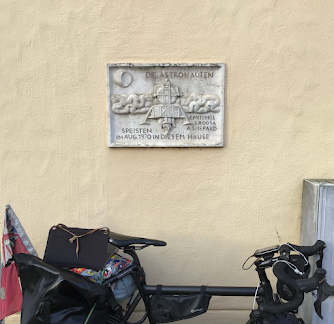 The American military government immediately removed the Nazi municipal
leadership from office. As a result of the admission of more than two
thousand refugees and home-displaced persons in the city, the population
rose to almost 5,000 people by 1950. The post-war period was characterised by housing shortages, food shortages and low employment opportunities.
The American military government immediately removed the Nazi municipal
leadership from office. As a result of the admission of more than two
thousand refugees and home-displaced persons in the city, the population
rose to almost 5,000 people by 1950. The post-war period was characterised by housing shortages, food shortages and low employment opportunities.
The war would result in 116 killed and sixty missing. On April 16, 1945, Allied fighter-bombers attacked the Wemding railway station damaging its rail tracks and rolling stock, severing local transport links. Sixteen buildings were destroyed during and a further seventy were damaged by the time as the front line approached in late April, 1945, scattered units of the Wehrmacht and the ϟϟ attempted to establish defensive positions in the Ries basin. On April 24, 1945, advance units of the United States Army approached Wemding from the direction of Oettingen. American artillery units fired upon the town outskirts to break potential resistance. To prevent the destruction of the historic town centre, local citizens and staff at the district hospital hoisted Red Cross flags and white sheets on prominent buildings, including the church towers. This signal of surrender persuaded the American commanders to cease the artillery barrage. The next day American ground troops fully occupied Wemding and the village of Amerbach. The entry of US forces occurred without significant street fighting as the remaining German military personnel had retreated towards the Danube.
 The American military government immediately removed the Nazi municipal
leadership from office. As a result of the admission of more than two
thousand refugees and home-displaced persons in the city, the population
rose to almost 5,000 people by 1950. The post-war period was characterised by housing shortages, food shortages and low employment opportunities.
The American military government immediately removed the Nazi municipal
leadership from office. As a result of the admission of more than two
thousand refugees and home-displaced persons in the city, the population
rose to almost 5,000 people by 1950. The post-war period was characterised by housing shortages, food shortages and low employment opportunities. The memorial plaque at the former inn Zur Sonne
(now Pizzeria La Fontana) on the right where, on August 12, 1970, four astronauts came to the area to prepare for the Apollo 14 mission. Alan Shepard,
Edgar Mitchell, Eugene Cernan and Joe Engle underwent geological field
training, practising amongst other things, to identify impact rocks on
the moon. Shepard stated how "[w]e've learned a lot thus far. Not only
about lunar material but also about the Bavarian beer. Man, it's great."
Three
of them were to set foot on the moon on subsequent Apollo missions;
Cernan was the last person to set foot on the moon in December 1972. The
latter had later apparently been riding his bike around Nördlingen's
city wall and had fallen. In fact, Eugene Cernan was the only astronaut
on the later Apollo 17 mission to wreck the fender of a lunar rover. Donauwörth: Gau Swabia Nazi Power Centre, Jewish Deportations and Forced Labour, and the Danube Crossing by the US 20th Armoured Division
 The site of the Battle of Schellenberg (or Battle of Donauwörth) on July 2 1704, during the War of the Spanish Succession. John
Churchill, 1st Duke of Marlborough, was marching from Flanders to
Bavaria and came to the Danube river. The French decided to make a
crossing of the Danube at this spot at Donauwörth, where they were
surprised by Marlborough's troops and after heavy fighting pulled back,
allowing Marlborough to capture Donauwörth and cross the Danube at ease.
About five thousand French troops drowned whilst trying to escape. As for the 22,000
Allied troops engaged, over 5,000 had become casualties, overwhelming
the hospitals that Marlborough had set up in Nördlingen. Amongst the
fatalities were six lieutenant-generals, four major-generals, and 28
brigadiers, colonels and lieutenant-colonels, reflecting the exposed
positions of senior officers as they led their men forward in the
assaults; no other action in the War of the Spanish Succession claimed
so many lives of senior officers. Such heavy casualty figures caused
consternation throughout the Grand Alliance and whilst the Dutch cast a
victory medal showing Baden on the obverse and a Latin inscription on
the other side, there was no mention of the Duke of Marlborough although the Emperor wrote
personally to the Duke: "Nothing can be more glorious than the celerity
and vigour with which ... you forced the camp of the enemy at
Donauwörth".
The site of the Battle of Schellenberg (or Battle of Donauwörth) on July 2 1704, during the War of the Spanish Succession. John
Churchill, 1st Duke of Marlborough, was marching from Flanders to
Bavaria and came to the Danube river. The French decided to make a
crossing of the Danube at this spot at Donauwörth, where they were
surprised by Marlborough's troops and after heavy fighting pulled back,
allowing Marlborough to capture Donauwörth and cross the Danube at ease.
About five thousand French troops drowned whilst trying to escape. As for the 22,000
Allied troops engaged, over 5,000 had become casualties, overwhelming
the hospitals that Marlborough had set up in Nördlingen. Amongst the
fatalities were six lieutenant-generals, four major-generals, and 28
brigadiers, colonels and lieutenant-colonels, reflecting the exposed
positions of senior officers as they led their men forward in the
assaults; no other action in the War of the Spanish Succession claimed
so many lives of senior officers. Such heavy casualty figures caused
consternation throughout the Grand Alliance and whilst the Dutch cast a
victory medal showing Baden on the obverse and a Latin inscription on
the other side, there was no mention of the Duke of Marlborough although the Emperor wrote
personally to the Duke: "Nothing can be more glorious than the celerity
and vigour with which ... you forced the camp of the enemy at
Donauwörth"..gif)
.gif) The Fuggerhaus on the right during the Nazi era and today. The town’s annual Donauwörther Volksfest was repurposed to celebrate Nazi achievements and foster a sense of community loyalty to the regime. The regime’s anti-Semitic policies had a particularly devastating impact on Donauwörth’s Jewish population. In 1933, the town had a Jewish population of approximately fifty individuals. The implementation of the Nuremberg Laws in 1935 led to the systematic disenfranchisement of Jews, culminating during Kristallnacht. The synagogue in Donauwörth was destroyed, and Jewish-owned businesses were vandalised. By 1942, the majority of Donauwörth’s Jewish population had been deported to concentration camps, where many perished. The town’s complicity in these atrocities, as evidenced by the participation of local officials and residents in the persecution of Jews, underscores the pervasive nature of Nazi ideology. The role of local individuals and institutions in Donauwörth’s transformation under Nazi rule is a subject of considerable historiographical debate. Some argue that local elites, including municipal officials, business leaders, and religious figures, played a crucial role in facilitating the regime’s policies. For instance, the local mayor, Dr. Hans Bauer, was a committed Nazi who actively supported the regime’s initiatives. His collaboration with Kreisleiter Vogl ensured the smooth implementation of Nazi policies within the town. The local branch of the Deutsche Arbeitsfront was instrumental in organising the workforce and promoting Nazi ideology. The town’s Catholic Church, under the leadership of Bishop Josef Kumpfmüller, initially adopted a cautious approach towards the regime. However, the Concordat of July 20, 1933 between the Vatican and the Nazi regime led to a degree of accommodation, with the Church refraining from overt opposition to Nazi policies. This collaboration, as argued by some, facilitated the regime’s cultural and ideological penetration of Donauwörth. However, others contend that resistance to Nazi rule existed within the town, albeit in a fragmented and often covert manner.
The Fuggerhaus on the right during the Nazi era and today. The town’s annual Donauwörther Volksfest was repurposed to celebrate Nazi achievements and foster a sense of community loyalty to the regime. The regime’s anti-Semitic policies had a particularly devastating impact on Donauwörth’s Jewish population. In 1933, the town had a Jewish population of approximately fifty individuals. The implementation of the Nuremberg Laws in 1935 led to the systematic disenfranchisement of Jews, culminating during Kristallnacht. The synagogue in Donauwörth was destroyed, and Jewish-owned businesses were vandalised. By 1942, the majority of Donauwörth’s Jewish population had been deported to concentration camps, where many perished. The town’s complicity in these atrocities, as evidenced by the participation of local officials and residents in the persecution of Jews, underscores the pervasive nature of Nazi ideology. The role of local individuals and institutions in Donauwörth’s transformation under Nazi rule is a subject of considerable historiographical debate. Some argue that local elites, including municipal officials, business leaders, and religious figures, played a crucial role in facilitating the regime’s policies. For instance, the local mayor, Dr. Hans Bauer, was a committed Nazi who actively supported the regime’s initiatives. His collaboration with Kreisleiter Vogl ensured the smooth implementation of Nazi policies within the town. The local branch of the Deutsche Arbeitsfront was instrumental in organising the workforce and promoting Nazi ideology. The town’s Catholic Church, under the leadership of Bishop Josef Kumpfmüller, initially adopted a cautious approach towards the regime. However, the Concordat of July 20, 1933 between the Vatican and the Nazi regime led to a degree of accommodation, with the Church refraining from overt opposition to Nazi policies. This collaboration, as argued by some, facilitated the regime’s cultural and ideological penetration of Donauwörth. However, others contend that resistance to Nazi rule existed within the town, albeit in a fragmented and often covert manner. The town’s industries were geared towards supporting the war effort, with the production of armaments and military equipment becoming a priority. The imposition of the Totaler Krieg doctrine in 1943 led to the mobilisation of all available resources for the war effort. The town’s population, including women and children, was enlisted in war-related activities, such as air raid drills and the cultivation of victory gardens. The Allied bombing campaign, which began in earnest in 1944, had a devastating impact on Donauwörth. The town was targeted due to its strategic importance as a transportation hub and industrial centre. The bombing raids resulted in significant damage to infrastructure, including the destruction of the historic bridge over the Danube River.
 The High Street then and now. During the war the American 20th Armoured Division were poised to cross the Danube River at this spot on April 26, 1945. As Rich Mintz relates,
early that morning engineers from an outside Division began
constructing a treadway bridge across the river. At approximately 14.30
tanks of the 27th Tank Btn., C CO., 1st Platoon, began crossing the
bridge under heavy artillery fire that rained shrapnel from overhead. As
it reached the final section of the bridge, the weight of the lead
tank, named “Pawnee,” began pulling the first section of the bridge away
from the embankment. As Pawnee's rear-end struggled into the water and
the crew (but for the driver, who stayed behind) evacuated for shore,
subsequent tanks were ordered upriver. Hence, “Pinto” was the 1st to
cross the Danube, gleefully fording at a shallow point and thus
circumventing all the hours of bridge construction which had preceded.
Pinto then pulled Pawnee across the threshold, wherein Pawnee's driver,
T/4 John W. Nairn, earned the Bronze Star for fortitude and presence
under fire, in saving both tank and pontoon bridge. After the repair and
construction of an additional bridge, the 27th continued to cross, and
turned South.
The High Street then and now. During the war the American 20th Armoured Division were poised to cross the Danube River at this spot on April 26, 1945. As Rich Mintz relates,
early that morning engineers from an outside Division began
constructing a treadway bridge across the river. At approximately 14.30
tanks of the 27th Tank Btn., C CO., 1st Platoon, began crossing the
bridge under heavy artillery fire that rained shrapnel from overhead. As
it reached the final section of the bridge, the weight of the lead
tank, named “Pawnee,” began pulling the first section of the bridge away
from the embankment. As Pawnee's rear-end struggled into the water and
the crew (but for the driver, who stayed behind) evacuated for shore,
subsequent tanks were ordered upriver. Hence, “Pinto” was the 1st to
cross the Danube, gleefully fording at a shallow point and thus
circumventing all the hours of bridge construction which had preceded.
Pinto then pulled Pawnee across the threshold, wherein Pawnee's driver,
T/4 John W. Nairn, earned the Bronze Star for fortitude and presence
under fire, in saving both tank and pontoon bridge. After the repair and
construction of an additional bridge, the 27th continued to cross, and
turned South.  Hitler visited the town three times although there is little
information concerning his visits to Donauwörth apart from two newspaper
articles that report a rally in April 1932 and one concerning a passage
he made in a special train in May 1938. The former took place at a time
when Hitler was trying to persuade the conservative rural population of
his policies as part of his presidential campaign, The visit to
Donauwörth was scheduled for April 16, 1932 - the year before the Nazis
came to power. The Donauhalle with a capacity of 4,500 people had to be
closed just one hour after admission due to overcrowding, and around
8,000 visitors had come to hear him speak. The remaining visitors were
accommodated in the surrounding barns, where the events were broadcast
via loudspeakers. Numerous people from different social groups came to
hear as Hitler kept his listeners waiting. Earlier he had given a speech
in Augsburg. When Hitler finally arrived at the Donauhalle after a
delay of three and a half hours, the crowd burst into applause which
repeated after his short speech, which had nothing to do with the actual
political topic of the evening. The 1938 visit took place after a state
visit to Italy when Hitler's special train was supposed to pass
Donauwörther Bahnhof on May 10, 1938. At the behest of the Nazi district
leadership, the communities on the railway line were instructed to fly
flags and related decorations. Schools, formations, political directors,
Hitler Youth and the Association of German Girls took part as well,
accompanied by a large number of onlookers which included the employees
of the neighbouring machine factory, all equipped with Nazi flags and
pennants. When the special train appeared, there was great jubilation,
accompanied by salutes, even though Hitler never bothered to appear at
the window being too tired, as it was later said in the state press.
Hitler visited the town three times although there is little
information concerning his visits to Donauwörth apart from two newspaper
articles that report a rally in April 1932 and one concerning a passage
he made in a special train in May 1938. The former took place at a time
when Hitler was trying to persuade the conservative rural population of
his policies as part of his presidential campaign, The visit to
Donauwörth was scheduled for April 16, 1932 - the year before the Nazis
came to power. The Donauhalle with a capacity of 4,500 people had to be
closed just one hour after admission due to overcrowding, and around
8,000 visitors had come to hear him speak. The remaining visitors were
accommodated in the surrounding barns, where the events were broadcast
via loudspeakers. Numerous people from different social groups came to
hear as Hitler kept his listeners waiting. Earlier he had given a speech
in Augsburg. When Hitler finally arrived at the Donauhalle after a
delay of three and a half hours, the crowd burst into applause which
repeated after his short speech, which had nothing to do with the actual
political topic of the evening. The 1938 visit took place after a state
visit to Italy when Hitler's special train was supposed to pass
Donauwörther Bahnhof on May 10, 1938. At the behest of the Nazi district
leadership, the communities on the railway line were instructed to fly
flags and related decorations. Schools, formations, political directors,
Hitler Youth and the Association of German Girls took part as well,
accompanied by a large number of onlookers which included the employees
of the neighbouring machine factory, all equipped with Nazi flags and
pennants. When the special train appeared, there was great jubilation,
accompanied by salutes, even though Hitler never bothered to appear at
the window being too tired, as it was later said in the state press.The GIF on the right shows the view of the High Street from the town hall entrance during the Nazi era and today.  Through his research Lucas Hell managed to come across a short stay by Hitler in June 1940 during
which time Hitler had had direct contact with the population which had
only heard about his third visit on June 18, 1940 an hour earlier. After
a short-term meeting with Mussolini in Munich, his special train
stopped in Donauwörth on the way back. Within a very short time several
hundred people had gathered at the station square. The entrance of the
train was accompanied by shouts of "Sieg Heil"; this time Hitler went to
the window to greet the cheering crowd, shaking many hands and
accepting bouquets of flowers. He paid special attention to the
children. After he had withdrawn from the window, people began to call
out: "Dear leader be so nice, show yourself on the window sill". Even
weeks later, this visit to the press was celebrated as a major
historical event.
Through his research Lucas Hell managed to come across a short stay by Hitler in June 1940 during
which time Hitler had had direct contact with the population which had
only heard about his third visit on June 18, 1940 an hour earlier. After
a short-term meeting with Mussolini in Munich, his special train
stopped in Donauwörth on the way back. Within a very short time several
hundred people had gathered at the station square. The entrance of the
train was accompanied by shouts of "Sieg Heil"; this time Hitler went to
the window to greet the cheering crowd, shaking many hands and
accepting bouquets of flowers. He paid special attention to the
children. After he had withdrawn from the window, people began to call
out: "Dear leader be so nice, show yourself on the window sill". Even
weeks later, this visit to the press was celebrated as a major
historical event.
 Through his research Lucas Hell managed to come across a short stay by Hitler in June 1940 during
which time Hitler had had direct contact with the population which had
only heard about his third visit on June 18, 1940 an hour earlier. After
a short-term meeting with Mussolini in Munich, his special train
stopped in Donauwörth on the way back. Within a very short time several
hundred people had gathered at the station square. The entrance of the
train was accompanied by shouts of "Sieg Heil"; this time Hitler went to
the window to greet the cheering crowd, shaking many hands and
accepting bouquets of flowers. He paid special attention to the
children. After he had withdrawn from the window, people began to call
out: "Dear leader be so nice, show yourself on the window sill". Even
weeks later, this visit to the press was celebrated as a major
historical event.
Through his research Lucas Hell managed to come across a short stay by Hitler in June 1940 during
which time Hitler had had direct contact with the population which had
only heard about his third visit on June 18, 1940 an hour earlier. After
a short-term meeting with Mussolini in Munich, his special train
stopped in Donauwörth on the way back. Within a very short time several
hundred people had gathered at the station square. The entrance of the
train was accompanied by shouts of "Sieg Heil"; this time Hitler went to
the window to greet the cheering crowd, shaking many hands and
accepting bouquets of flowers. He paid special attention to the
children. After he had withdrawn from the window, people began to call
out: "Dear leader be so nice, show yourself on the window sill". Even
weeks later, this visit to the press was celebrated as a major
historical event. Donauwörth suffered shortly before the end of the war on April 11 and 19, 1945 from two
air raids of the 8th and 9th US airfleet resulting in nearly 300 dead. The surroundings of the train station and the city centre
were almost flattened. The inner city was destroyed to about three
quarters. On April 11, 1945, at 12:30 pm. American bombers reached Donauwörth resulting in what Lord Mayor Armin Neudert recently declared as Donauwörth's "blackest day in town history".
The two Allied air raids claimed 285 people according to research
conducted by the city archive - most of them civilians. Roughly 75% of
the town was destroyed, including 258 houses with another 253 badly
damaged. This left 520 families bombed out and forced to live with
relatives or others in the city or in the surrounding area. About seven
hundred people were left without shelter by the last days of the war.
Only four days before the first attack, Donauwörth had been appointed by
the leadership of Military District VII in Munich to be a key focus of
the Danube Defence through the "collection of scattered soldiers" on the
Danube. Together with cities such as Ingolstadt, Dillingen and
Günzburg, people here spoke martially about the "Donaufront". In fact,
only a few Grenadier replacement and training battalions, often
comprising of child soldiers, were provided with which to stop the
arriving American tanks and aircraft. ϟϟ-Führer
and Donauwörther councillor Friedrich Arlt played a leading role in the
organisation of students and old men of the Volkssturm.
Donauwörth suffered shortly before the end of the war on April 11 and 19, 1945 from two
air raids of the 8th and 9th US airfleet resulting in nearly 300 dead. The surroundings of the train station and the city centre
were almost flattened. The inner city was destroyed to about three
quarters. On April 11, 1945, at 12:30 pm. American bombers reached Donauwörth resulting in what Lord Mayor Armin Neudert recently declared as Donauwörth's "blackest day in town history".
The two Allied air raids claimed 285 people according to research
conducted by the city archive - most of them civilians. Roughly 75% of
the town was destroyed, including 258 houses with another 253 badly
damaged. This left 520 families bombed out and forced to live with
relatives or others in the city or in the surrounding area. About seven
hundred people were left without shelter by the last days of the war.
Only four days before the first attack, Donauwörth had been appointed by
the leadership of Military District VII in Munich to be a key focus of
the Danube Defence through the "collection of scattered soldiers" on the
Danube. Together with cities such as Ingolstadt, Dillingen and
Günzburg, people here spoke martially about the "Donaufront". In fact,
only a few Grenadier replacement and training battalions, often
comprising of child soldiers, were provided with which to stop the
arriving American tanks and aircraft. ϟϟ-Führer
and Donauwörther councillor Friedrich Arlt played a leading role in the
organisation of students and old men of the Volkssturm.  |
The view from Rathausplatz. |
Hof: Christuskirche’s Alleged Hitler Image, Destroyed 1938 Synagogue, and Postwar Jewish DP Transit Hub
.gif)
 I don't think this is true. It
was designed and inaugurated in a severe time for Germany, no question,
but if I interpret the pictures correctly they are now about the
glorification of the powerful during this time. On the contrary; the
individual is made aware that his life belongs to Christ no matter how
powerful he feels personally - there is another power over him, a
stronger power. This is no Hitler homage, in my eyes. We
find people asking something of Christ, there is someone kneeling
before him. God resists the proud, but the humble he gives his grace to.
Hitler, however, stands imperiously at the side, alone, wearing boots,
his robe somehow militaristic. Haughty and arrogant. He looks like a
rabbit before slaughter. He is a man on the edge, an outsider." He
claims that in all the years that the church has been open for worship
no-one has objected to the Hitler painting near the altar. But now there
are rumblings of discontent with some parishioners calling for him to
be erased. "It isn't right under any circumstances that the biggest
mass killer in history should be featured in a painting in a house of
Christian worship," one of the flock said in a recent interview on Radio
Bavaria. Pastor Goelkel added that he thought the painting should not
be removed. "This image is a central challenge to Nazism: Christ is in
the middle. The powerful can stand idle as much as they want," he said.
I don't think this is true. It
was designed and inaugurated in a severe time for Germany, no question,
but if I interpret the pictures correctly they are now about the
glorification of the powerful during this time. On the contrary; the
individual is made aware that his life belongs to Christ no matter how
powerful he feels personally - there is another power over him, a
stronger power. This is no Hitler homage, in my eyes. We
find people asking something of Christ, there is someone kneeling
before him. God resists the proud, but the humble he gives his grace to.
Hitler, however, stands imperiously at the side, alone, wearing boots,
his robe somehow militaristic. Haughty and arrogant. He looks like a
rabbit before slaughter. He is a man on the edge, an outsider." He
claims that in all the years that the church has been open for worship
no-one has objected to the Hitler painting near the altar. But now there
are rumblings of discontent with some parishioners calling for him to
be erased. "It isn't right under any circumstances that the biggest
mass killer in history should be featured in a painting in a house of
Christian worship," one of the flock said in a recent interview on Radio
Bavaria. Pastor Goelkel added that he thought the painting should not
be removed. "This image is a central challenge to Nazism: Christ is in
the middle. The powerful can stand idle as much as they want," he said.
Dillingen: From Witch‑Trials Memorial to Kristallnacht
 Adolf
Hitler Straße, now Königstraße, with the Mitteltorturm. The town was
among many discussed in passing on this site which was involved in the
witch mania. During the witch persecution from 1574 to 1745 in
particular, 65 people were indicted in Dillingen, of whom most of the
accused did not survive the process. In 1587 a housewife was burned
alive at the stake. The last victim of the witch trials was Barbara
Zielhauser in 1745.
A plaque commemorating her fate was organised by the Rotary Club, which
was unveiled on December 12, 1994 in the Dillingen castle courtyard
against the resistance of the Episcopal Ordinariate. The plaque makes a direct reference to the Nazi persecution of Jews through the image of a shield of David with the legend '1933 to 1945' and the Novemberpogrom of 1938.
Adolf
Hitler Straße, now Königstraße, with the Mitteltorturm. The town was
among many discussed in passing on this site which was involved in the
witch mania. During the witch persecution from 1574 to 1745 in
particular, 65 people were indicted in Dillingen, of whom most of the
accused did not survive the process. In 1587 a housewife was burned
alive at the stake. The last victim of the witch trials was Barbara
Zielhauser in 1745.
A plaque commemorating her fate was organised by the Rotary Club, which
was unveiled on December 12, 1994 in the Dillingen castle courtyard
against the resistance of the Episcopal Ordinariate. The plaque makes a direct reference to the Nazi persecution of Jews through the image of a shield of David with the legend '1933 to 1945' and the Novemberpogrom of 1938.Aichach: Its Rare colour Nazi Mass Rally Film, Women’s Prison for Political Inmates, and Ilse Koch’s Postwar Life‑Sentence and Suicide
.gif) A
25-minute coloured home movie recently appeared in Aichach showing a
local Nazi Party conference at district level recorded between April 27 to May 1, 1938 which attracted thousands of visitors. It was filmed by a local teacher,
the head of the district picture office; a third of it is in colour-
representing the first colour film recordings from the town. As Christoph Lang, Director of the Aichach City Museum stated, "[w]e
didn't even know this film existed. We were approached by an elderly
lady, the filmmaker's daughter, asking if we could tell her where we
could have this film digitised." In order to digitise the three rolls of
film, each individual image was scanned in the media laboratory at the
University of Jena. The University of Augsburg , where a master's thesis
on the film has already been written. The GIF on the left shows the
Lower Gate serving as a backdrop during the event in which the film
shows Nazi flags dominating the town, even flying from the tower of the
parish church, as troop after troop formations of the various Nazi
groups marched through the streets from the ϟϟ Totenkopf units of the Dachau concentration camp to the Reich Labour Service, shouldering their shovels like assault rifles.
A
25-minute coloured home movie recently appeared in Aichach showing a
local Nazi Party conference at district level recorded between April 27 to May 1, 1938 which attracted thousands of visitors. It was filmed by a local teacher,
the head of the district picture office; a third of it is in colour-
representing the first colour film recordings from the town. As Christoph Lang, Director of the Aichach City Museum stated, "[w]e
didn't even know this film existed. We were approached by an elderly
lady, the filmmaker's daughter, asking if we could tell her where we
could have this film digitised." In order to digitise the three rolls of
film, each individual image was scanned in the media laboratory at the
University of Jena. The University of Augsburg , where a master's thesis
on the film has already been written. The GIF on the left shows the
Lower Gate serving as a backdrop during the event in which the film
shows Nazi flags dominating the town, even flying from the tower of the
parish church, as troop after troop formations of the various Nazi
groups marched through the streets from the ϟϟ Totenkopf units of the Dachau concentration camp to the Reich Labour Service, shouldering their shovels like assault rifles. .gif)
My GIF on the right shows the town hall from the south side as it appears in the film and today. According to Aichach historian Willi Artmeier, the film represented "a stroke of luck,"
demonstrating how the Nazis presented themselves in the provinces,
especially in an area where their successes were rather limited until
1938, such as in the Catholic Aichach. It is known that such district
councils were very common, especially in Upper Bavaria according to
Lang, but there is no other documentation of this kind anywhere else.
From
1919 to 1933, Aichach was one of the district offices with the lowest
percentage of Nazi Party votes; the largest party was the Bavarian
People's Party (BVP).
.gif) The town hall again in another Nazi event. Kershaw
quotes a report of the Kreisleiter of Aichach dated March 31, 1939
after the invasion of Bohemia and Moravia in which "[p]eople rejoiced in
the great deeds of the Führer and look up to him with confidence. But
the hardships and worries of everyday life are so great that the mood is
soon clouded again."
The town hall again in another Nazi event. Kershaw
quotes a report of the Kreisleiter of Aichach dated March 31, 1939
after the invasion of Bohemia and Moravia in which "[p]eople rejoiced in
the great deeds of the Führer and look up to him with confidence. But
the hardships and worries of everyday life are so great that the mood is
soon clouded again." Aichach was never bombed during the war. Aichach during the war housed the only women's prison in southern Germany
as well as the largest in Bavaria, used by the Nazi state for political
prisoners who had just escaped the death penalty. Opened in 1909, the
number of imprisoned women more than tripled under the Nazis from 691
prisoners in 1933 to 2,000 by 1945, not including the thousand women in
the satellite camps. One of the inmates at the time was the well-known
Viennese architect Margarete Schütte-Lihotzky sentenced to fifteen years
for "preparing to commit high treason".
In 1939 Schütte-Lihotzky joined the Austrian Communist Party (KPÖ) and
in December 1940 travelled back to Vienna to secretly contact the
Austrian communist resistance movement, agreeing to meet a leading
Resistance member nicknamed "Gerber", Erwin Puschmann, and help set up a
communications line. She met him at the Cafe Viktoria where they were
surprised and arrested by the Gestapo only 25 days after her arrival. She was finally liberated by the Americans April 29, 1945.
'Asocial women were forcibly sterilised- local historian Franz Josef Merkl has established at least 110- and more than 360 women from "safety detention" were sent to Auschwitz.
.gif)
Aichach is where Ilse Koch, the so-called “Witch of Buchenwald,” killed herself on
September 2 , 1967 in the women's prison. She had been the wife of the
camp commander of the Buchenwald concentration camp, Karl Otto Koch.
They had married at the Sachsenhausen concentration camp
when Karl Koch was its commander. Ilse Koch was notorious among the
concentration camp prisoners, said to have hit inmates with a riding
crop whilst on horseback inside the prison camp although witnesses like
the camp inmate and later author Eugen Kogonhowever testified in the
Dachau court hearing that they themselves had never seen Ilse Koch enter
the prisoner area, which was shielded by a barbed wire fence. What is
certain is that, unlike other ϟϟ
wives, she often witnessed punishments as a spectator, which is why she
undoubtedly had knowledge of the atrocities committed there and "her
attitude towards the human misery in the camp was [at best] cold
indifference". As early as October 1948, the American occupation
authorities had instructed the Bavarian state government to institute
new criminal proceedings against Koch for crimes committed against
German citizens. Immediately after her release from the war criminals
prison in Landsberg in October 1949, Koch was taken into custody. .gif) By
January 15, 1951, Koch was charged with inciting murder, attempted
murder, and inciting aggravated assault and sentenced to life
imprisonment; presumably her pregnancy during her incarceration saved
her from the death sentence. She was the only woman in Germany who was
sentenced to life imprisonment in connection with Nazi crimes compared
to 165 men. On September 2, 1967, she hanged herself in her cell in the
Bavarian women's prison in Aichach, where she had been since 1949.
By
January 15, 1951, Koch was charged with inciting murder, attempted
murder, and inciting aggravated assault and sentenced to life
imprisonment; presumably her pregnancy during her incarceration saved
her from the death sentence. She was the only woman in Germany who was
sentenced to life imprisonment in connection with Nazi crimes compared
to 165 men. On September 2, 1967, she hanged herself in her cell in the
Bavarian women's prison in Aichach, where she had been since 1949.
.gif) By
January 15, 1951, Koch was charged with inciting murder, attempted
murder, and inciting aggravated assault and sentenced to life
imprisonment; presumably her pregnancy during her incarceration saved
her from the death sentence. She was the only woman in Germany who was
sentenced to life imprisonment in connection with Nazi crimes compared
to 165 men. On September 2, 1967, she hanged herself in her cell in the
Bavarian women's prison in Aichach, where she had been since 1949.
By
January 15, 1951, Koch was charged with inciting murder, attempted
murder, and inciting aggravated assault and sentenced to life
imprisonment; presumably her pregnancy during her incarceration saved
her from the death sentence. She was the only woman in Germany who was
sentenced to life imprisonment in connection with Nazi crimes compared
to 165 men. On September 2, 1967, she hanged herself in her cell in the
Bavarian women's prison in Aichach, where she had been since 1949.Aichach
is also the birthplace of Vincenz Müller, a military officer and
general who served in the Imperial German army, the Wehrmacht, and after
the war in the National People's Army of the East German Democratic
Republic, where he was also a politician. Müller eventually became a
member of the East German parliament, the Volkskammer, and served as
chief of staff of the National People's Army.
Günzburg: Josef Mengele’s Hometown, Karl Mengele & Sons’ Support Network, and the Long Postwar Struggle over the “Angel of Death” Legacy

This was the hometown of Franz Xaver Schwarz who, as Reich Treasurer of the NSDAP (Reichsleiter) and ϟϟ-Oberst-Gruppenführer, Schwarz was one of the party's most important officials and- most infamously- the so-called "angel of death" Josef Mengele, ϟϟ
officer and Auschwitz physician. On the left is the town's memorial to the victims of
the concentration camp doctor Josef Mengele, composed of a display board
around which single eyes (around fifty created by pupils from
Dossenberger-Gymnasium) and pairs of eyes (around 25 by the 6th form art
foundation course pupils from Maria-Ward-Gymnasium) are grouped. The
single eyes and pairs of eyes were modelled from clay in lessons and
baked after air drying. From the “clay eyes”, the foundry finished the
final step of making silicon formed wax models, through the
manufacturing of moulds. The memorial was unveiled on March 8, 2005. According to Mengele's son Rolf, his father returned to the Günzburg area toward the end of 1948 and stayed in the nearby forests
until the spring of 1949. Mengele told Irene that he expected her and
Rolf to follow once he had established himself in Buenos Aires. But
Irene would not agree to go with him. Mengele's flight was arranged and
paid for by his family through former ϟϟ contacts in the Günzburg area.
This was a town that had driven out its 309 resident Jews after the Nazis came to power. There was a widespread readiness to believe that the allegations against Mengele were false. And broadcasts across Germany by the overseas service of the BBC claiming that the ϟϟ had engaged in monstrous acts of carnage, were viewed as Allied victory propaganda.
 Adolf-Hitler-Platz then and now. Hitler
himself had, on October 11 1932, launched a campaign comparable in
magnitude to his “Flights over Germany” in the Mengele factory. Today
the so-called 'Günzburg Question' continues to be raised by the
allegation that Mengele lived openly after the war here in his hometown
under his own name. This claim implies at least ignorance and at worst
acquiescence or complicity on the part of American authorities stationed
there.
Adolf-Hitler-Platz then and now. Hitler
himself had, on October 11 1932, launched a campaign comparable in
magnitude to his “Flights over Germany” in the Mengele factory. Today
the so-called 'Günzburg Question' continues to be raised by the
allegation that Mengele lived openly after the war here in his hometown
under his own name. This claim implies at least ignorance and at worst
acquiescence or complicity on the part of American authorities stationed
there. Hitler's speech at the Karl Mengele & Sons factory on November 2, 1932, during the Reichstag election campaign took place in the factory’s main hall, arranged by Karl Mengele, Josef Mengele’s father, who joined the Nazi Party in May 1933. The speech was part of Hitler’s intensive campaign, with 241 speeches delivered across Germany in 1932, as documented by historian Harald Sandner. Hitler’s address focused on condemning the Weimar Republic’s economic failures, blaming Social Democrats and Jews for Germany’s post-World War I decline. He promised national revival through autarky and rearmament, rallying support for the Nazi Party, which secured 33.1% of the vote on November 6, 1932, down from 37.3% in July. The Günzburg speech drew 2,000 attendees, according to local newspaper reports, with Karl Mengele leveraging the event to bolster his status as a district economic advisor. The factory, producing agricultural machinery since 1907, had shifted to military equipment like wagons and naval mine parts, aligning with Nazi militarisation goals.
Josef Mengele himself wasn't directly involved in the 1932 event, being a student at the University of Munich, where he earned a PhD in anthropology in 1935. His later role as an ϟϟ physician at Auschwitz, starting May 1943, defined his infamy. Assigned to Auschwitz II (Birkenau), Mengele conducted experiments on 582 twins, as recorded by Paul Weindling, focusing on genetic traits like eye colour and disease susceptibility. On June 15, 1943, he injected phenol into fourteen Roma children to study heart failure, as noted by survivor Miklós Nyiszli. By November 1943, as Chief Camp Physician, he oversaw selections, sending 40,000 prisoners to gas chambers between May and July 1944, according to Auschwitz records. His experiments, often lethal, included infecting twins with tuberculosis on August 10, 1944, and studying noma faciei in Roma prisoners, with 112 cases documented by December 1944.
When the Red Army neared Auschwitz on January 27, 1945, Mengele fled to Gross-Rosen camp, then hid near Günzburg as Fritz Hollmann from February to July 1945. Supported by family funds, he worked as a farmhand in Mangolding until April 1949. Karl Mengele & Sons, employing 300 workers by 1945, provided financial support, wiring 100 dollars monthly to Mengele in Argentina via Hans Sedlmeier, the firm’s sales manager. On May 11, 1949, Mengele sailed from Genoa to Buenos Aires using a Red Cross passport under the name Helmut Gregor, arranged by Nazi networks in Italy. In Buenos Aires, he lived at 1870 Calle Serrano, working as a carpenter until 1952. On April 27, 1956, he obtained an Argentine residence permit as José Mengele and visited Günzburg for three weeks, meeting his son Rolf, born March 11, 1944, who knew him as “Uncle Fritz.” The firm, now managed by nephews Karl-Heinz and Dieter Mengele, grew to 1,100 employees by 1984, producing 12,000 machines annually.
.gif) In 1959, Freiburg issued an arrest warrant on February 25 after Nazi hunter Hermann Langbein traced Mengele’s divorce records, filed October 12, 1954, listing his Buenos Aires address. Mengele fled to Paraguay on November 7, 1959, gaining citizenship as José Mengele. By June 1960, he moved to Brazil, living in Nova Europa as Wolfgang Gerhard. Sedlmeier visited him on October 3, 1960, delivering 500 dollars and coded letters, as revealed in 1985 police raids. Mengele died on February 7, 1979, from a stroke near São Paulo, confirmed by forensic analysis on June 6, 1985, using dental records and DNA tests in 1992. The family concealed his death, with Rolf Mengele admitting on June 10, 1985, to protecting accomplices like Sedlmeier, who died in 1987.
In 1959, Freiburg issued an arrest warrant on February 25 after Nazi hunter Hermann Langbein traced Mengele’s divorce records, filed October 12, 1954, listing his Buenos Aires address. Mengele fled to Paraguay on November 7, 1959, gaining citizenship as José Mengele. By June 1960, he moved to Brazil, living in Nova Europa as Wolfgang Gerhard. Sedlmeier visited him on October 3, 1960, delivering 500 dollars and coded letters, as revealed in 1985 police raids. Mengele died on February 7, 1979, from a stroke near São Paulo, confirmed by forensic analysis on June 6, 1985, using dental records and DNA tests in 1992. The family concealed his death, with Rolf Mengele admitting on June 10, 1985, to protecting accomplices like Sedlmeier, who died in 1987.
.gif) |
| The Sparkasse at Brentano-Haus on Hitler-Platz and the square today |
When the Red Army neared Auschwitz on January 27, 1945, Mengele fled to Gross-Rosen camp, then hid near Günzburg as Fritz Hollmann from February to July 1945. Supported by family funds, he worked as a farmhand in Mangolding until April 1949. Karl Mengele & Sons, employing 300 workers by 1945, provided financial support, wiring 100 dollars monthly to Mengele in Argentina via Hans Sedlmeier, the firm’s sales manager. On May 11, 1949, Mengele sailed from Genoa to Buenos Aires using a Red Cross passport under the name Helmut Gregor, arranged by Nazi networks in Italy. In Buenos Aires, he lived at 1870 Calle Serrano, working as a carpenter until 1952. On April 27, 1956, he obtained an Argentine residence permit as José Mengele and visited Günzburg for three weeks, meeting his son Rolf, born March 11, 1944, who knew him as “Uncle Fritz.” The firm, now managed by nephews Karl-Heinz and Dieter Mengele, grew to 1,100 employees by 1984, producing 12,000 machines annually.
.gif) In 1959, Freiburg issued an arrest warrant on February 25 after Nazi hunter Hermann Langbein traced Mengele’s divorce records, filed October 12, 1954, listing his Buenos Aires address. Mengele fled to Paraguay on November 7, 1959, gaining citizenship as José Mengele. By June 1960, he moved to Brazil, living in Nova Europa as Wolfgang Gerhard. Sedlmeier visited him on October 3, 1960, delivering 500 dollars and coded letters, as revealed in 1985 police raids. Mengele died on February 7, 1979, from a stroke near São Paulo, confirmed by forensic analysis on June 6, 1985, using dental records and DNA tests in 1992. The family concealed his death, with Rolf Mengele admitting on June 10, 1985, to protecting accomplices like Sedlmeier, who died in 1987.
In 1959, Freiburg issued an arrest warrant on February 25 after Nazi hunter Hermann Langbein traced Mengele’s divorce records, filed October 12, 1954, listing his Buenos Aires address. Mengele fled to Paraguay on November 7, 1959, gaining citizenship as José Mengele. By June 1960, he moved to Brazil, living in Nova Europa as Wolfgang Gerhard. Sedlmeier visited him on October 3, 1960, delivering 500 dollars and coded letters, as revealed in 1985 police raids. Mengele died on February 7, 1979, from a stroke near São Paulo, confirmed by forensic analysis on June 6, 1985, using dental records and DNA tests in 1992. The family concealed his death, with Rolf Mengele admitting on June 10, 1985, to protecting accomplices like Sedlmeier, who died in 1987. According
to the census of May 1939, the city of Günzburg had a population of
6,949. During the war, the population grew to about 10,500, swelled by
individuals fleeing to Günzburg from areas that had been destroyed
through intensive Allied bombing, as well as by workers, including
foreign labourers, assigned to local armaments firms. Günzburg escaped
significant damage until April 9, 1945, when a Messerschmitt factory
located there was the target of a large Allied bombing raid. Two further
air raids, on April 15 and April 19, destroyed the rail yards
and disrupted public utilities. As a part of the initial activity of the Military Government
following Germany's surrender, the city administration was purged of
active Nazis, streets were renamed, and a welfare office was
established. For the first phase of the occupation, in addition to the
Military Government Detachment, an American Army infantry regiment was
stationed in Guenzburg.
.gif) Immediately following the war, and for several years, the Mengele name
and power were less a factor in Günzburg life than previously or since,
a decline due in part to the fate of the Mengele family. The head of
the family, Karl Mengele, was arrested by the Americans at the end of
April because of his position as the Kreiswirtschaftsberater (District
economic advisor) and was interned, first in Ludwigsburg, north of Stuttgart, and later at Moosburg in Bavaria. Two
of his three sons were far from home: Alois was a prisoner of war in
Yugoslavia, and Josef was, as far as the family claimed to know,
"somewhere in the east."
Immediately following the war, and for several years, the Mengele name
and power were less a factor in Günzburg life than previously or since,
a decline due in part to the fate of the Mengele family. The head of
the family, Karl Mengele, was arrested by the Americans at the end of
April because of his position as the Kreiswirtschaftsberater (District
economic advisor) and was interned, first in Ludwigsburg, north of Stuttgart, and later at Moosburg in Bavaria. Two
of his three sons were far from home: Alois was a prisoner of war in
Yugoslavia, and Josef was, as far as the family claimed to know,
"somewhere in the east." Karl's wife "Wally," his daughter-in-law Irene (Josef's wife), and grandson, Rolf (Josef's son), had moved to the small village of Autenried, not far from Günzburg. Karl, Jr., who had received a draft deferment because his service with the Mengele firm was considered essential war duty, stepped down from the firm because he suspected, rightly, that he would place it in jeopardy by remaining with it. He was the subject of a prolonged denazification procedure, the result of which left him banned from the Mengele premises. Karl, Jr., handed general management over to Hans Sedlmaier, whose loyalty to the family was unquestioned. Despite the post-war absence of anyone from the Mengele family in a position of power, for those who lived in Günzburg before the war, the Mengele name still held an almost mythic quality. Known for his philanthropy, Karl, Sr., was reputed to have placed sausages in the windows of the poor people of the town. As the major employer, the Mengele factory meant food on the table for a large number of Günzburg families.

.gif)
Oettingen: Intact Synagogue Shell on Schäfflergasse, School‑Led Kristallnacht Vandalism, and Operation Clarion
.gif) The main square during the Nazi era and today. During Kristallnacht in
1938, the town's synagogue on Schäfflergasse dating from 1853, wasn't
burned down due to its proximity to other houses. However, windows,
inventory and ritual objects were destroyed, desecrated and stolen.
Schoolchildren were encouraged to take part in the violence and
barbarism by their teachers who were also actively involved. Whilst some
of the Jewish residents, numbering 66 in 1933,
were able to emigrate, the last ended up being deported and murdered by
1942. After the war the synagogue was initially confiscated by the
American military and transferred to the Jewish Assets Administration
(JRSO) and later became private property.
The main square during the Nazi era and today. During Kristallnacht in
1938, the town's synagogue on Schäfflergasse dating from 1853, wasn't
burned down due to its proximity to other houses. However, windows,
inventory and ritual objects were destroyed, desecrated and stolen.
Schoolchildren were encouraged to take part in the violence and
barbarism by their teachers who were also actively involved. Whilst some
of the Jewish residents, numbering 66 in 1933,
were able to emigrate, the last ended up being deported and murdered by
1942. After the war the synagogue was initially confiscated by the
American military and transferred to the Jewish Assets Administration
(JRSO) and later became private property. During the war, Oettingen suffered severe damage from bombing raids. On February 23, 1945, the Allies dropped around 500 bombs from 48 aircraft over the small town as part of Operation Clarion in which 199 people died.
Friedberg: Failed ϟϟ Defence Plans, and its Women who Dismantled Nazi Tank Barriers
.gif)
Altenstadt: Kristallnacht Raid, Complete Jewish Deportation, and Postwar Memorial Steles
.gif)
At around 8:30 p.m., around 15 to 18 men from the ϟϟ Storm 2/29 arrived unexpectedly in Altenstadt on bicycles from Vöhringen. They immediately began to smash the windows of the synagogue. They then violently blew open the doors of the synagogue. They took the prayer books from the prayer chairs and the law books and papers that had been stacked up in a corner and carried them to the courtyard in front of the synagogue, where they burned them. They also announced their intention to set fire to the synagogue. When confronted, they explained that they had been ordered by their standard to liquidate the synagogue, to set it on fire, and possibly to blow it up... But since there was a risk that setting fire to the synagogue would seriously endanger the surrounding buildings, they refrained from setting fire to the synagogue after being persuaded by the gendarmes.

Only
a few emigrated up until 1939. Even in 1940 there were still 24 Jewish
residents in the town who were eventually deported to extermination
camps in 1941/42. The last of Altenstadt's Jews were deported to Theresienstadt in two groups during 1942. By August 1942, the Illertissen District Office reported to the Munich State Police Headquarters that "[t]he Illertissen district is henceforth free of Jews from this day on." Only one of the deportees returned to Altenstadt after the end of the war.
 In 1955, the former synagogue building, which had since become completely dilapidated and had been used as a storage room or garage, was demolished. Today six granite steles mark the external dimensions of the former place of worship. A memorial plaque at the former site of the synagogue on Memminger Strasse bears the following inscription under a depiction of a menorah:
 The synagogue of the Altenstadt Israelite Community, built in 1802, stood here. It was damaged during the persecution of our Jewish fellow citizens in November 1938 and demolished in 1955.
The Hebrew inscription reads: "The grass withers, the flower fades, but the word of God endures forever."

